Backyard Beekeeping — Canada
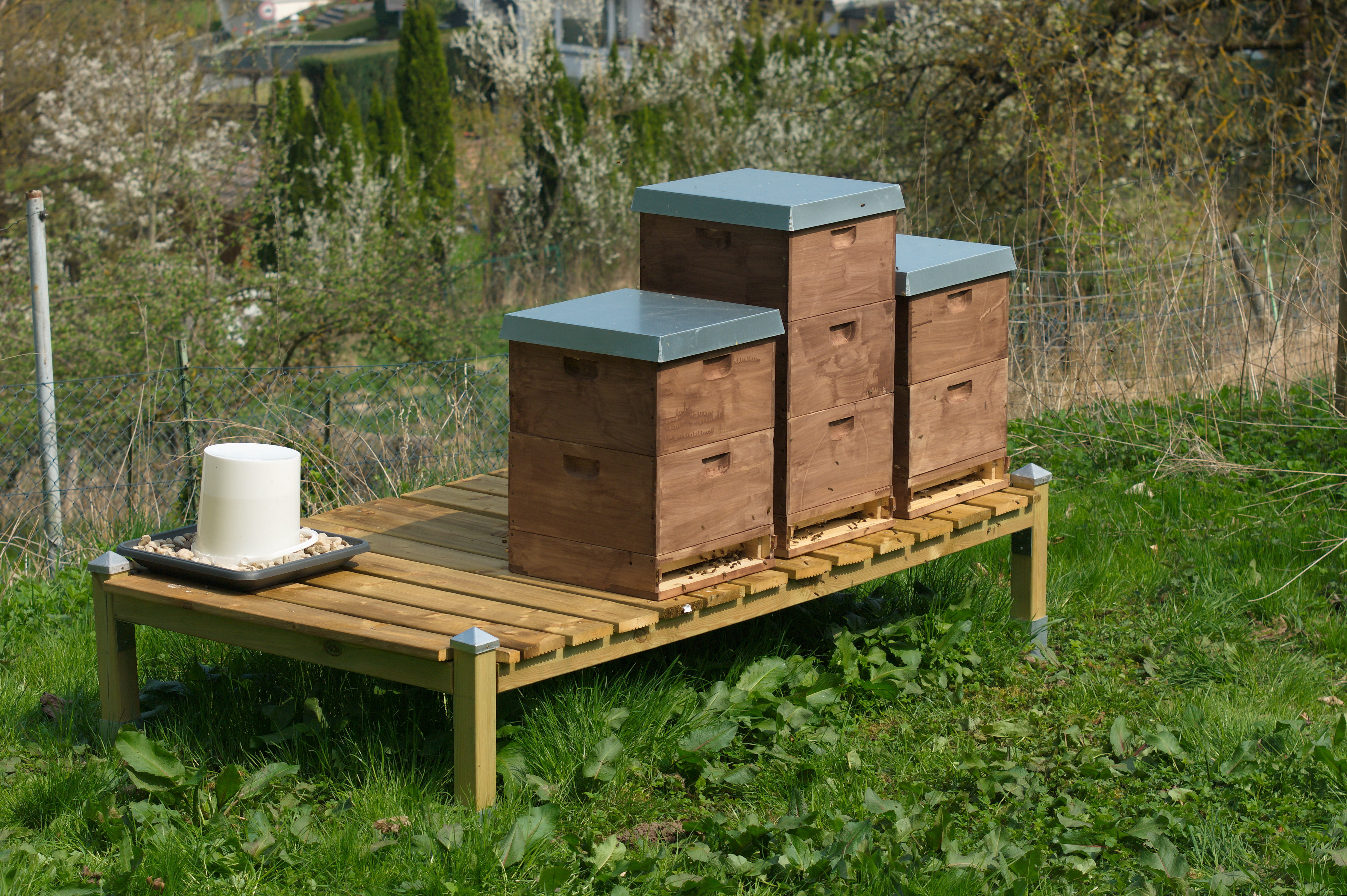
Setting up and caring for a backyard hive
A reference for hobbyists and small-scale keepers navigating hive assembly, colony management, and the Canadian seasons.
A reference for hobbyists and small-scale keepers navigating hive assembly, colony management, and the Canadian seasons.
Key Topics
From the first box you assemble to the colonies you carry through a Canadian winter — practical steps rather than general principles.
How to build and equip a standard Langstroth hive: bottom board, brood box, supers, frames, and covers — and how the components fit together.
Preparing colonies for temperatures that regularly drop below −20 °C: cluster behaviour, ventilation, insulation wraps, and food stores.
What to look for when you open the hive for the first time after winter: brood pattern, queen status, stores, and early disease indicators.
Reading the activity at the entrance, understanding forager behaviour, and distinguishing normal colony sounds from signs of stress.
A month-by-month overview of management tasks across the Canadian beekeeping season, from April build-up through October shut-down.
Provincial registration requirements, movement rules, and CFIA disease-reporting obligations that affect backyard operations.
Articles
Step-by-step walkthroughs for the most common tasks in the backyard apiary.
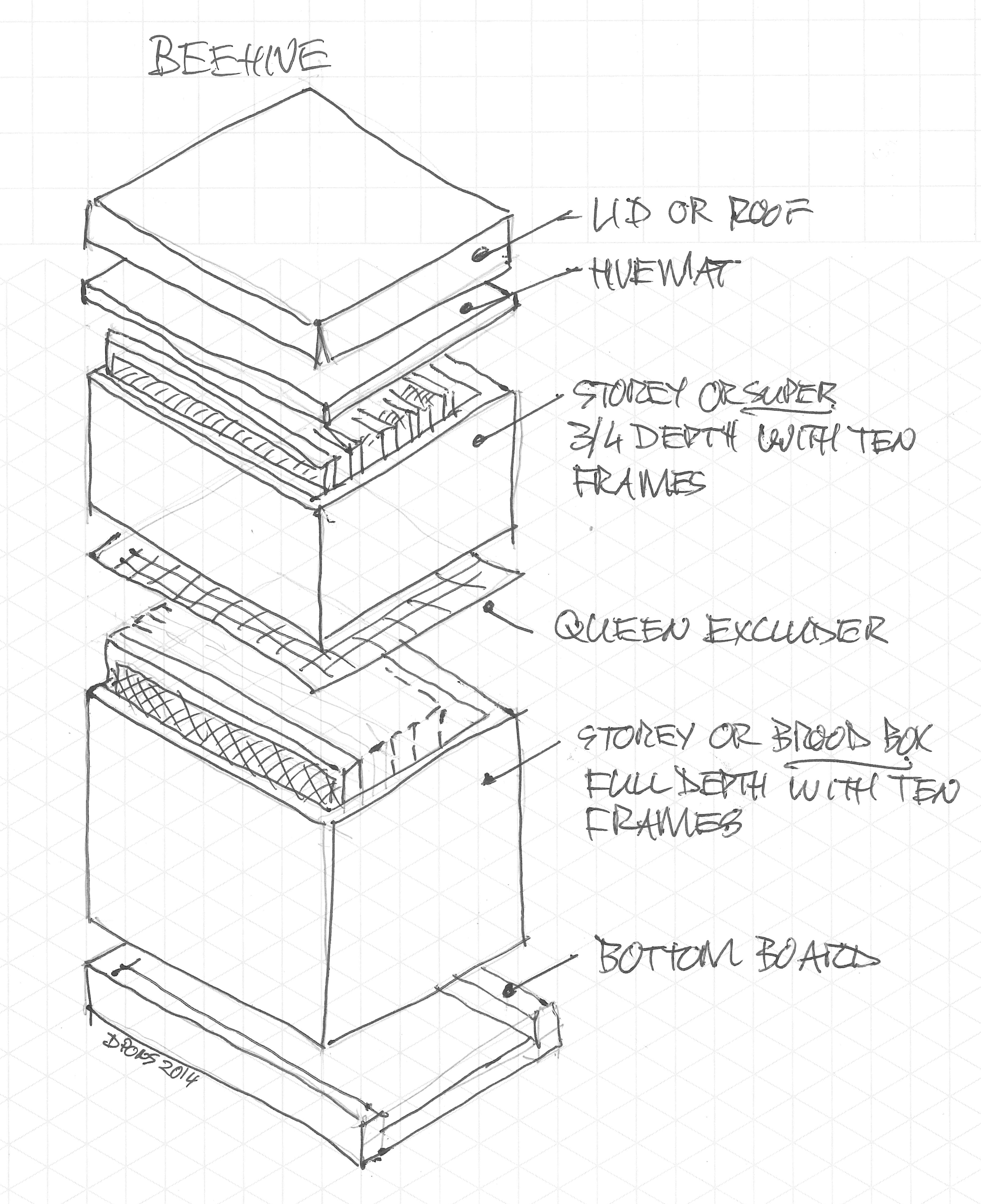
A walkthrough of the standard Langstroth configuration: which components you need, how they stack, and how to prepare frames before your first package arrives.
Read guide →
How Canadian beekeepers prepare colonies for extended cold: ventilation strategy, insulation wraps, upper entrances, and minimum food stores.
Read guide →
A systematic approach to the first post-winter inspection: what healthy brood looks like, how to assess stores, and which early warning signs need immediate attention.
Read guide →Context
Canadian winters present specific challenges not covered by beekeeping literature written for temperate climates. Colonies in Ontario, Quebec, and the Prairie provinces typically face 4–5 months of confinement. Colony losses over winter are higher than in warmer regions, and preparation windows are narrower: the critical August-September period for building winter bees is short.
Outdoor temperatures below −20 °C are common across most of the country, and wind chill can accelerate moisture build-up inside hives that lack adequate upper ventilation.
Beekeeping in Canada is regulated at the provincial level. Most provinces require registration of hives and apiaries with the provincial apiarist. The Canadian Food Inspection Agency (CFIA) oversees import and movement of bees and bee products, and manages reportable diseases including American Foulbrood.
Backyard beekeepers operating within municipal limits should also check local bylaws — several cities have specific rules on hive placement, setbacks from property lines, and maximum colony numbers.
The guides on this site focus on what happens at hive level — assembly, inspection, and seasonal management — rather than commercial-scale operations.
Start with hive assembly